Small Dog No-Pull Harness Vest + Leash: Fit & Train Tips
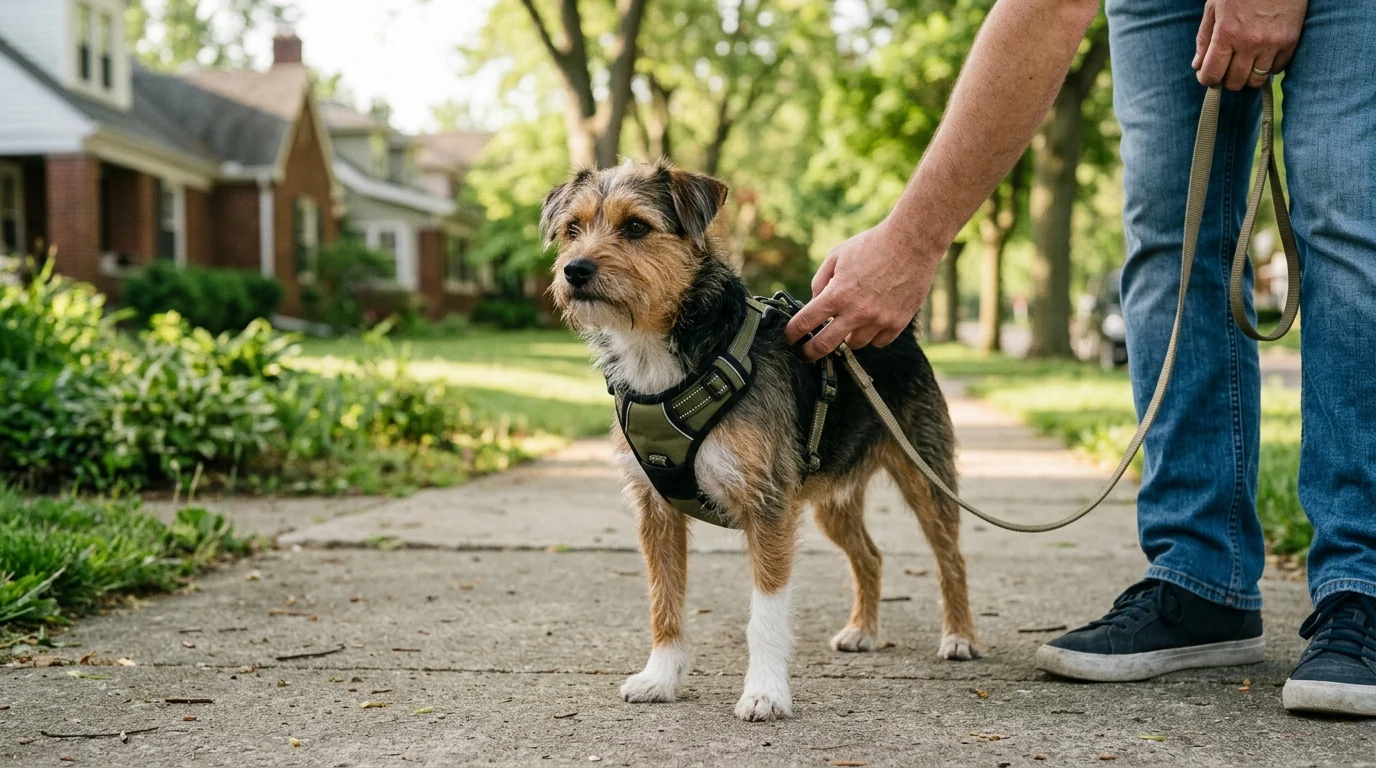
Adjustable No-Pull Small Dog Harness Vest with Leash: Comfort, Control, and a Better Walk
A well-fitted harness vest can make walks calmer, safer, and more comfortable—especially for small dogs that tend to pull or slip out of traditional collars. Unlike collar-only walking, a vest-style harness supports the body more evenly and helps you guide your dog without putting pressure on a delicate neck. Below is a practical guide to choosing an adjustable no-pull harness vest with leash, measuring correctly, fitting it with confidence, and building better leash manners without sacrificing comfort.
Why a Harness Vest Helps With Pulling and Safety
Small dogs often have sensitive necks and can be more vulnerable to coughing or throat irritation if they lunge on a collar. A harness vest shifts handling pressure away from the neck and onto the chest and torso, which can feel gentler and more stable for many dogs.
- Reduces strain on the neck compared with collar-only walking, which can be important for small breeds and dogs that lunge.
- A vest-style body panel can distribute pressure more evenly across the chest and torso for improved comfort on longer walks.
- Adjustability supports a secure fit that helps prevent backing out, especially in nervous or wiggly dogs.
- Works well for daily routines like neighborhood walks, quick potty breaks, and crowded sidewalks where control matters.
For broader pet safety and responsible handling basics, the American Veterinary Medical Association (AVMA) offers helpful guidance for pet owners.
Key Features to Look For in an Adjustable No-Pull Harness Vest With Leash
Not all “no-pull” harnesses feel the same on a small body. For a vest-style option, the goal is secure contact without rubbing, plus leash attachment points that help you guide your dog smoothly.
- Adjustable straps at the neck and chest to fine-tune fit as coat thickness and weight change.
- Breathable, soft materials (often mesh or padded fabric) to reduce rubbing behind the front legs.
- Secure buckles and reinforced stitching in stress points where the leash pressure concentrates.
- Leash attachment options: a back D-ring for everyday walking; a front clip can help redirect pulling by turning the dog toward the handler.
- Reflective accents or bright colors for visibility on early-morning or evening walks.
- A matching leash included can simplify sizing and compatibility for everyday use.
| Feature | Why it matters | What to check |
|---|---|---|
| Adjustability | Helps prevent slipping and improves comfort | Neck and chest strap range; easy-to-use sliders |
| Vest coverage | Distributes pressure and reduces rubbing | Soft edges; no sharp seams near armpits |
| Hardware strength | Handles sudden pulling without failure | Sturdy buckles; strong D-ring; neat stitching |
| Visibility | Improves safety in low light | Reflective trim or high-contrast color |
| Leash compatibility | Smooth handling and consistent control | Included leash length; comfortable handle; secure clasp |
Measuring and Getting the Right Fit (Small Dogs)
Fit is the difference between “supportive” and “annoying.” Take measurements when your dog is standing naturally, and use a soft tape measure for accuracy.
- Measure chest girth at the widest part behind the front legs; this is typically the most important measurement for vest-style harnesses.
- Measure lower neck circumference (base of the neck, not where a collar sits high) for a secure but comfortable front fit.
- Aim for a “two-finger” fit: snug enough that the harness doesn’t rotate, loose enough to avoid pinching and restrict breathing.
- Check movement: the dog should be able to sit, lie down, and take a full stride without the vest riding into the armpits.
- Re-check fit after the first few walks; straps can settle and may need a small adjustment.
If your dog is between sizes, prioritize chest fit and adjustability. A vest that’s too loose can shift sideways, while one that’s too tight can shorten stride and cause friction.
How to Introduce the Harness and Encourage Calm Leash Walking
For step-by-step training fundamentals, the ASPCA’s dog training basics is a solid reference.
Comfort and Skin Care Tips for Vest-Style Harnesses
When to Use a Harness Vest vs. Other Options
Product Spotlight: Adjustable No-Pull Small Dog Harness Vest with Leash
If you want an all-in-one option for everyday walks, the Adjustable No-Pull Small Dog Harness Vest with Leash is designed to support small dogs with a secure, adjustable fit. Its vest-style construction helps spread contact across the body rather than concentrating force at the neck, and the included leash makes it easy to get started right away.
| Item | Details |
|---|---|
| Product | Adjustable No-Pull Small Dog Harness Vest with Leash |
| Price | 15.51 USD |
| Availability | In stock |
| Product page | https://elizina.com/adjustable-no-pull-small-dog-harness-vest-with-leash/ |
More In-Stock Picks
FAQ
How tight should a no-pull harness vest be on a small dog?
Use the two-finger rule: it should be snug enough that it won’t rotate or let your dog back out, but loose enough to slide two fingers under the straps. Make sure there’s clearance behind the front legs so it doesn’t rub the armpits, and confirm your dog can breathe easily and take a full stride.
Can a harness stop pulling completely?
A harness can reduce strain and help you redirect pulling, but it usually won’t eliminate pulling on its own. Consistent training—rewarding a loose leash and stopping forward motion when there’s tension—is what changes the behavior over time.
Is a vest harness safe for puppies?
Yes, when used under supervision and fitted correctly. Re-check the fit often as your puppy grows, choose lightweight breathable materials, and avoid leaving the harness on for long indoor periods where it could snag or cause rubbing.











Leave a comment