Stick-to-It Diet Checklist: Printable Motivation Plan
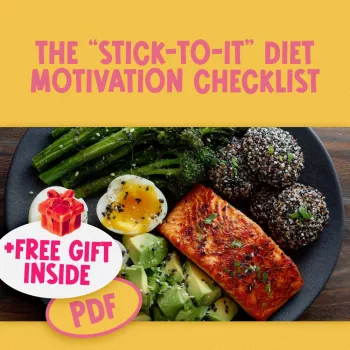
The “Stick-to-It” Diet Motivation Checklist: A Printable Plan for Staying Consistent
Motivation feels strongest on day one and trickiest on day fourteen. A simple checklist can turn “trying” into a repeatable routine by making the next best action obvious—especially on busy, low-willpower days. Instead of waiting to feel inspired, a printable motivation checklist helps you follow through, recover quickly after slip-ups, and keep momentum with a plan that still works on real-life weeks.
Why consistency beats intensity
Short bursts of perfection are rarely as useful as a sustainable baseline you can repeat on stressful days. Consistency builds the “I do this” identity—small wins stacked daily—while intensity often collapses the moment work, travel, or family demands spike.
A checklist reduces decision fatigue by pre-deciding actions and removing the “what should I do now?” moments. When the day gets chaotic, your brain doesn’t need another negotiation; it needs a next step. Over time, motivation becomes a result of keeping promises to yourself—not a prerequisite for starting.
What a “stick-to-it” checklist should include
The most effective checklist is short, specific, and forgiving. It should include:
- A small set of non-negotiables: actions that keep the day pointed in the right direction even if everything else goes off-plan.
- A “minimum day” option: a backup plan for travel, social events, illness, or heavy workload.
- Triggers and substitutions: if/then plans for common derailers like snacking, skipped meals, or late nights.
- A quick reflection prompt: notice patterns without spiraling into guilt.
- A reward/encouragement line: reinforcement that prevents all-or-nothing thinking.
| Checklist element | Example | What it prevents |
|---|---|---|
| Non-negotiables | Protein at breakfast; 10-minute walk | “I blew it, so I’ll start over Monday” |
| Minimum day plan | Healthy convenience meal + water goal | Skipping meals then overeating later |
| If/then rules | If craving hits, then drink water + wait 10 minutes | Impulse decisions driven by stress |
| Environment cues | Pre-portion snacks; keep fruit visible | Relying on willpower in the moment |
| End-of-day check-in | What worked? What felt hard? One tweak | Repeating the same obstacles daily |
How to use the printable checklist (5-minute setup)
Set this up once, then let it run in the background of your day.
- Print two copies: one for daily use and one “master” copy for weekly planning. Keep it where decisions happen (kitchen counter, desk, planner).
- Choose 3–5 daily actions: pick habits that fit your current life constraints and make them measurable (e.g., “2 cups of veggies” beats “eat better”).
- Define a minimum day: the smallest version that still supports your goal—something doable at 20% energy (think “microwavable protein + salad kit” instead of cooking).
- Pick one anchor habit: stack your checklist onto something you already do (after coffee, after brushing teeth, after lunch).
- Track once per day: mark the checklist at a consistent time (after dinner or before bed) so tracking stays simple.
Motivation levers that make sticking to a diet easier
When motivation dips, structure does the heavy lifting. These levers make follow-through easier without relying on willpower:
For evidence-based guidance on healthy weight and lifestyle basics, reference the CDC’s overview at Healthy Weight, Nutrition, and Physical Activity and the NIH resource Aim for a Healthy Weight.
A weekly rhythm that keeps momentum
Downloadable tool: The “Stick-to-It” Diet Motivation Checklist
If you want a ready-to-print structure you can start today, The “Stick-to-It” Diet Motivation Checklist (Printable PDF) is designed to guide daily follow-through with practical prompts, a simple layout, and space to keep the next action clear. It works well for beginners building steady habits or anyone restarting after a plateau or inconsistent weeks, and it’s easy to re-print (or use on a tablet with a note-taking app).
| Situation | How to use it | Goal for the day |
|---|---|---|
| Busy workday | Do only the non-negotiables + minimum day plan | Stay consistent without burnout |
| Weekend/social plans | Use if/then rules + pre-decide one treat | Enjoy flexibility without spiraling |
| After a slip-up | Mark the next best action, not the mistake | Recover quickly and continue |
| Motivation dip | Use tiny first step + environment cue | Restart momentum in minutes |
Optional add-on for a full reset: Healthy Eating Starter Bundle
When a simple checklist isn’t enough—especially during a full lifestyle reset—a deeper framework can help with planning, structure, and long-term behavior change. Fuel Your Life: The Ultimate Healthy Eating Starter Bundle pairs well with daily tracking by giving more guided support around meal planning and sustainable routines.
FAQ
How do you motivate yourself to stick to a diet when you’re tired?
Use a minimum-day plan and make the first step tiny (water, protein snack, 10-minute walk). Keep meals/snacks pre-decided and adjust the environment so the easiest option is the supportive one.
What should be on a daily diet motivation checklist?
Include 3–5 non-negotiables, a minimum-day fallback, if/then plans for triggers, basic hydration/movement, and a short end-of-day reflection prompt to spot patterns without guilt.
Is it better to track habits or calories?
Habit tracking is often easier to sustain because it reduces decision fatigue and focuses on repeatable actions. Calorie tracking can be useful for specific goals, but many people do best with the method that supports adherence and overall well-being long term.











Leave a comment